
How to Prevent Creatinine Levels from Rising: Practical Kidney Protection Tips
By Dr. Debabrata Mukherjee
Senior Director – Renal Sciences & Kidney Transplant Medicine
Your kidneys play a crucial role in filtering metabolic waste from your blood and maintaining your body’s fluid and electrolyte balance. When kidney function declines, an early red flag is a rise in creatinine levels—a waste product generated from natural muscle breakdown.
Left unchecked, elevated creatinine can signal progressive Chronic Kidney Disease (CKD). Fortunately, proactive lifestyle changes, dietary adjustments, and proper medical guidance can help manage creatinine levels and safeguard your kidney health.
9 Practical Strategies to Keep Creatinine Levels Stable
1. Optimize and Limit Protein Intake
Consuming excessive protein creates metabolic waste that forces compromised kidneys to overwork. For individuals with elevated creatinine, aiming for 0.6–0.8 grams of protein per kilogram of Ideal Body Weight (IBW) is often recommended under medical supervision.
Consider replacing heavy animal proteins with renal-friendly plant sources:
- Soy Products: Tofu, tempeh, and edamame
- Legumes: Properly soaked lentils, chickpeas, and beans
- Quinoa: A complete, easily digestible plant protein
2. Adopt a Kidney-Protective Plant-Based Diet
Plant-focused diets reduce acid load and systemic inflammation while offering essential nutrients without overloading the kidneys with excess phosphorus and protein.
3. Reduce Sodium Intake
Excessive salt elevates blood pressure, damaging delicate kidney filtration units (nephrons) over time.
- Flavor meals with natural herbs, lemon, and spices instead of table salt.
- Avoid sodium-heavy processed foods, canned soups, and fast food.
- Always check nutrition labels for hidden sodium content.
4. Monitor Phosphorus and Potassium Levels
Impaired kidneys struggle to balance key minerals. High phosphorus can weaken bones, while excess potassium (hyperkalemia) can cause dangerous cardiac arrhythmias.
- Phosphorus Management: Choose low-phosphorus options like apples, berries, and white rice over dark sodas, processed meats, and heavy dairy.
- Potassium Management: If advised by your nephrologist, limit high-potassium foods like bananas, oranges, and potatoes.
5. Maintain Optimal Hydration
Drinking sufficient water assists the kidneys in flushing out uremic toxins. Aim for 8–10 glasses daily unless your doctor has placed you on a specific fluid restriction due to advanced CKD or heart conditions.
6. Control Blood Pressure and Blood Sugar
Hypertension and Diabetes Mellitus are the two primary causes of kidney failure worldwide.
| Condition | Clinical Target | Actionable Steps |
|---|---|---|
| Blood Pressure | < 130/80 mmHg | Low-sodium DASH diet, regular home monitoring, compliant medication use. |
| Blood Sugar | HbA1c < 7.0% (individualized) | Routine glucose monitoring, dietary carb control, nephrologist-approved meds. |
7. Avoid Nephrotoxic Medications (NSAIDs & Dyes)
Over-the-counter Painkillers like NSAIDs (ibuprofen, naproxen) and IV contrast dyes used in CT scans can cause acute kidney injury (AKI). Always inform your doctor of your baseline kidney health before taking new painkillers or undergoing imaging procedures.
8. Stay Active Without Overexerting
Engage in 30 minutes of moderate exercise (such as walking, swimming, or yoga) 5 times a week. Avoid extreme, high-intensity workouts that cause muscle breakdown (rhabdomyolysis), which artificially spikes creatinine.
9. Evidence-Based Supplements (Under Supervision Only)
Certain targeted supplements can support kidney care when prescribed by a specialist:
- Acacia Fiber: Binds and reduces uremic toxins in the gut.
- Renal Probiotics: Helps clear gut-derived ammonia and nitrogenous waste.
- Omega-3 Fatty Acids: Provides anti-inflammatory cardiovascular and renal benefits.
- Sodium Bicarbonate: Helps correct metabolic acidosis under laboratory monitoring.
Take Action for Your Kidney Health Today
Early intervention is the key to preventing kidney failure. By making informed dietary adjustments, managing underlying conditions, and avoiding nephrotoxic substances, you can protect your renal function for years to come.
Consult Dr. Debabrata Mukherjee
For personalized kidney care plans, creatinine management, and expert nephrology consultations:
- 🌐 Website: www.drmukherjeenephrologist.com
- 📞 Appointment Line: +91 81300 60240
Kidney Transplant: A Saga of Struggle, Sacrifice, Love, Courage & Hope
An extraordinary medical and human journey supervised by Prof. Dr. Debabrata Mukherjee


Shri Parved Kumar, a dedicated professional in the Indian Armed Forces, faced an unexpected crisis when he was diagnosed with complete renal failure in 2016. Bound to demanding cycles of hemodialysis, his life was placed on hold. Seeking definitive management, his family approached the transplant wing directed by Prof. Dr. D. Mukherjee. Guided by expert care, he successfully underwent a life-saving kidney transplant on February 27, 2016.
During the exact same period, Shrimati Sheetal was navigating her own heavy battle with end-stage renal failure. Confined to regular maintenance dialysis and facing a critical lack of compatible living family donors, her future path looked challenging. However, a profound act of selfless organ donation from a brain-dead patient altered her path completely. On that very same day—February 27, 2016—she too received a successful kidney transplant.
Bound by a rare, shared history of survival, the two patients crossed paths during their routine post-transplant follow-up clinics. Over months of shared checkups and mutual encouragement, a deep connection blossomed. They were happily married on November 23, 2019. By 2020, regular clinical tests confirmed that both had beautifully stable graft function, setting a solid foundation for their shared future.
With renewed health, the couple dreamed of building a complete family. Managing a pregnancy after an organ transplant carries significant medical challenges and requires delicate balance. Undeterred, they underwent meticulous pre-conception counseling and close medication adjustments under the personal vigilance of Prof. Dr. D. Mukherjee, safely charting a path through high-risk monitoring.
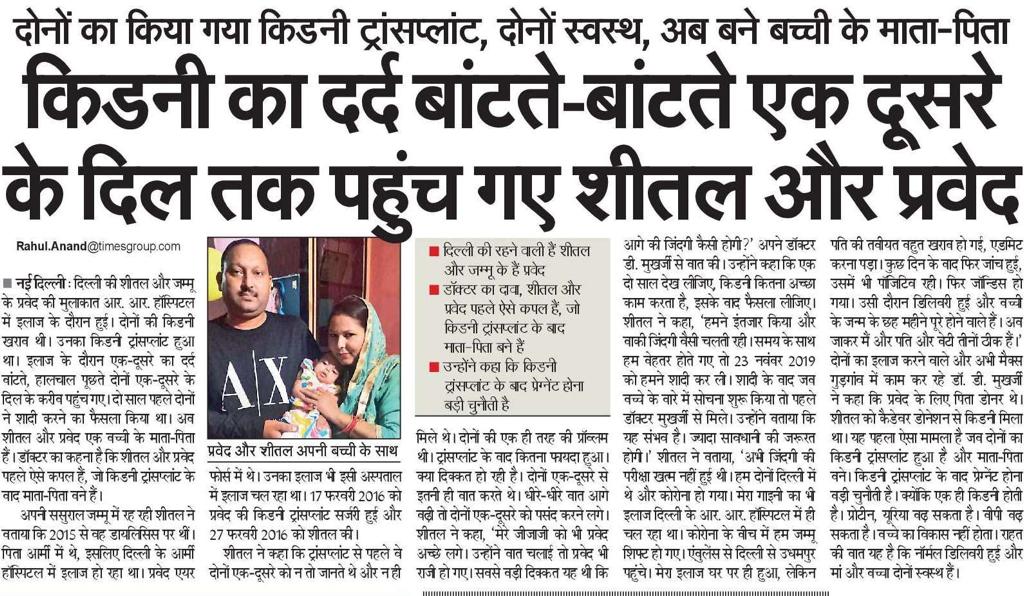
Their resilience met its absolute test when both parents caught COVID-19 mid-term. Despite the added strain on their immune systems, precise medical interventions carried them through to full recovery. On June 3, 2021, they welcomed a beautiful, completely healthy baby girl, Tanshika Kaith. Today, their growing daughter stands as a living testament to medical possibility and human spirit.
🏆 A Historic Medical Milestone
This represents one of the highly documented medical instances where a transplant-recipient couple successfully married and brought a healthy child into the world. It reflects the immense courage of our patients and the uncompromising devotion of Prof. Dr. Debabrata Mukherjee and his clinical care team at Medanta.