
Pregnancy With Kidney Disease Guidance
Pregnancy with Kidney Disease: Planning a Safe Journey to Motherhood
Becoming a mother is the most beautiful feeling in the world. However, when a woman is dealing with kidney issues like CKD, Lupus, or has had a Kidney Transplant, fear and anxiety naturally step in. Many patients ask us out of worry—“Is a safe delivery really possible for me? Will pregnancy damage my kidneys permanently?”
The direct answer is: Yes, with the right pre-planning and dedicated medical supervision, a safe and successful pregnancy is absolutely possible.. Prof. (Dr.) Debabrata Mukherjee uses his 30+ years of global experience to guide families safely through these high-risk journeys.
+91 85828 39681 Personal Assistant
Our Approach: Keeping Both Mother and Baby Safe
When managing a pregnancy with renal conditions, medicine alone isn’t enough. Prof(Dr). Mukherjee firmly believes that care should ideally begin even before you conceive (Pre-conception planning). During this phase, we carefully switch medications that might be unsafe for the baby and stabilize your kidney markers (like Creatinine and GFR) to avoid sudden complications later on.
Common Challenges & How We Manage Them
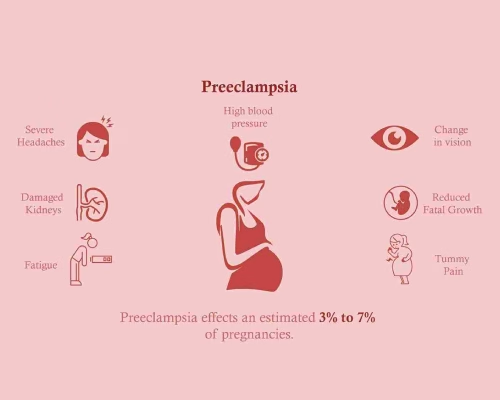
1. Preeclampsia (Sudden High BP & Swelling)
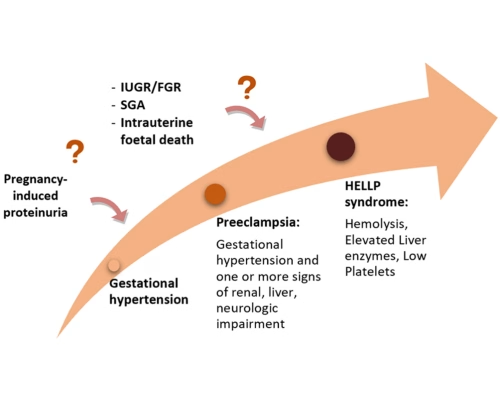
Pregnant women with a history of kidney disease face a higher risk of developing Preeclampsia—a condition marked by a sudden spike in blood pressure and protein leakage in urine.
How we manage it: We keep a round-the-clock check on your blood pressure. We only prescribe pregnancy-safe medications that control your BP without affecting the growth of your baby.

2. Stopping CKD Progression
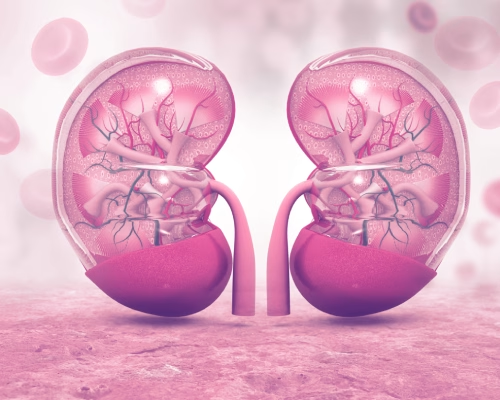
During pregnancy, your body works twice as hard, putting extra load on your kidneys. If a patient is already in CKD Stage 3, 4, or 5, there is a risk that kidney function might drop.
How we manage it: Prof(Dr). Mukherjee designs a specialized, low-protein yet highly nutritious renal diet map for you. By closely monitoring your creatinine levels in every trimester, we ensure your kidneys are never overloaded.
3. Heavy Protein Leakage (Proteinuria)
An increase in protein loss through urine is common during a renal pregnancy, often leading to heavy swelling in the feet and body. If left ignored, it can lead to early or preterm labor.
How we manage it: We use targeted clinical protocols to maintain your serum albumin levels. This controls the swelling safely without compromising the fluid levels essential for the baby’s growth.
4. Anemia (Severe Low Hemoglobin)
Since struggling kidneys produce less of the hormone needed to make red blood cells, hemoglobin levels can drop drastically during pregnancy. This leads to extreme exhaustion and risks of low birth weight.
How we manage it: Under strict supervision, we provide safe doses of Erythropoietin (EPO) injections and Intravenous (IV) iron therapy to maintain healthy hemoglobin counts for the mother.
5. Frequent Urinary Tract Infections (UTIs)
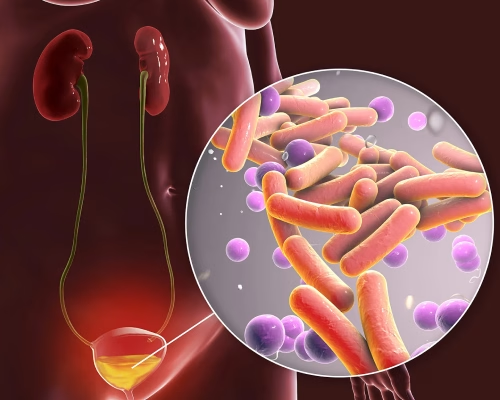
Kidney patients are naturally more prone to catching severe UTIs during pregnancy. If left untreated, the infection can travel up to the kidneys, causing high fever and acute kidney stress.
How we manage it: Regular urine culture screenings allow us to catch the earliest signs of infection. We treat them immediately using fetal-safe, precise antibiotics.
Pregnancy After Kidney Transplantation
A key area of specialized expertise for Prof. (Dr.) Debabrata Mukherjee is helping women embrace motherhood after a successful kidney transplant. Typically, once the new kidney is completely stable—usually 1 to 2 years post-transplant—pregnancy can be safely planned.
Our critical task here is transitioning the mother off certain anti-rejection medications (like MMF) well in advance. We switch to pregnancy-safe immunosuppressants that do not cross the placental barrier, protecting your baby while ensuring your transplanted organ remains perfectly healthy.
Frequently Asked Questions (FAQs)
Q1: Can a woman with Stage 3 or Stage 4 CKD deliver a healthy baby?
Yes, absolutely. While the risks of early birth or temporary kidney strain are higher, regular coordinated monitoring between a senior nephrologist and an advanced maternal-fetal team makes a healthy birth highly achievable.
Q2: When is it safe to plan a family after a kidney transplant?
It is usually recommended to wait 12 to 24 months post-surgery. Your graft function should be fully stable with no recent rejection episodes, and your medications must be safely modified at least 3 months before planning conception.
Q3: What makes Prof(dr.) Mukherjee ideal for high-risk renal pregnancies?
Prof(Dr). Mukherjee collaborates directly with senior fetal-medicine experts and critical-care neonatologists (NICU). This ensures both the mother and newborn receive intensive, 24/7 tertiary care under a single roof.
Step Safely into Motherhood
Minimize the risks with clinical precision. Book your pre-conception evaluation or high-risk pregnancy consultation with Prof. (Dr.) Debabrata Mukherjee Gurugram.
Medically Reviewed & Approved By:

Prof. (Dr.) Debabrata Mukherjee
Director & Senior Consultant – Nephrology & Renal Transplant,
Medanta – The Medicity, Gurugram.
With a focus on managing high-risk pregnancies complicated by chronic kidney disease and failed graft scenarios, he provides evidence-based, compassionate care for the most challenging clinical cases.