
Hypertension Treatment in Gurugram
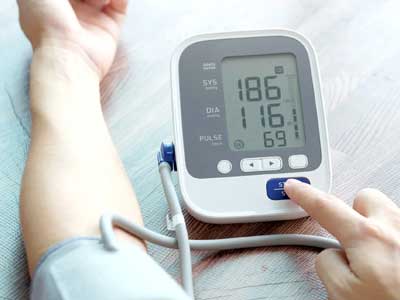
Hypertension Management: Balancing Blood Pressure & Preserving Kidney Health
Blood pressure is the vital metric that keeps blood circulating through our organs. However, when the force against your arterial walls stays consistently elevated, it turns into a silent danger known as Hypertension. Because it often progresses without noticeable symptoms, many individuals are unaware of the internal stress it places on their blood vessels.
As a senior specialist, Prof. (Dr.) Debabrata Mukherjee treats blood pressure not just as an isolated number, but as a critical factor directly linked to your heart and kidneys. We focus on identifying the root causes of hypertension and introducing personalized medical protocols to prevent long-term complications.
+91 85828 39681
The Crucial Classification: Types of Hypertension
Understanding the underlying type of high blood pressure is essential, as it determines whether lifestyle modifications alone will suffice or if targeted medical intervention is required:
-
Primary (Essential) Hypertension: This type develops gradually over several years. It doesn’t have a single, clear identifiable physical cause and is usually linked to genetic factors, natural aging, and lifestyle habits. -
Secondary Hypertension: Unlike primary hypertension, this variation appears suddenly and causes higher blood pressure readings. It is triggered by an underlying medical condition, such as hormonal shifts or sleep apnea. -
Renal (Renovascular) Hypertension: This is a specific type of secondary hypertension caused by the narrowing of arteries that deliver blood to your kidneys. When kidneys receive reduced blood flow, they release hormones that mistakenly raise systemic blood pressure, creating a challenging clinical cycle.
Signs of Severe Elevation
While mild or moderate hypertension rarely shows clear symptoms, a sharp spike or prolonged high readings can lead to noticeable physical warning signs:
Symptoms to Monitor: Recurrent morning headaches, blurred vision or spots in the eyes, unprovoked dizziness, mild shortness of breath during routine walking, and occasional localized chest discomfort.
When is Medication Recommended? Knowing Your Stages
Medical guidelines help clarify when lifestyle changes should be supported by targeted medical treatment:
Stage 1 Hypertension
130–139 mmHg / 80–89 mmHg
At this stage, specialists evaluate your overall cardiovascular profile. Treatment may involve lifestyle modifications or a single, low-dose medication if other risk factors are present.
Stage 2 Hypertension
140 mmHg or Higher / 90 mmHg or Higher
This stage generally requires immediate medical support, often involving a combination of blood pressure medications alongside lifestyle adjustments to protect vital organs.
Practical Steps to Lower Blood Pressure Naturally
Consistent lifestyle modifications form the foundation of long-term blood pressure management:
1. Implementing the DASH Dietary Approach
The DASH (Dietary Approaches to Stop Hypertension) plan is clinically proven to reduce pressure readings. It focuses on reducing daily sodium (salt) intake to under 1,500–2,300 mg, while increasing potassium-rich choices like fresh spinach, bananas, and whole grains that naturally relax vascular walls.
2. Consistent Physical Activity
Engaging in 30 minutes of moderate, low-impact exercise—such as brisk walking, swimming, or cycling—five days a week helps improve arterial flexibility and lowers baseline heart strain.
3. Stress Management & Restful Sleep
Chronic stress releases hormones that constrict blood vessels. Practicing deep breathing exercises or mindfulness, combined with ensuring 7 to 8 hours of uninterrupted nightly sleep, helps stabilize your body’s regulatory systems.
4. Avoiding Vascular Toxins
Smoking and excessive alcohol consumption cause immediate, sharp increases in blood pressure and accelerate the hardening of your arteries. Quitting is a vital step toward protecting your cardiovascular health.
Advanced Medical Care and Risks
When lifestyle changes alone are not enough to bring your readings into a safe range, advanced medical options are available. Dr. Mukherjee customizes drug combinations—such as ACE inhibitors, ARBs, or targeted diuretics—to protect renal micro-filtration networks while maintaining optimal systemic blood pressure.
Leaving blood pressure unmanaged can lead to serious health complications over time. It can contribute to coronary artery issues, strokes, retinal damage, and chronic kidney failure (nephrosclerosis). Proactive management is key to avoiding these risks.
Frequently Asked Questions (FAQs)
Q1: Why is a kidney specialist (nephrologist) managing my high blood pressure?
The kidneys and blood pressure are closely connected. Kidneys filter waste using vast networks of delicate blood vessels, and they produce key hormones that regulate your body’s blood pressure. High blood pressure can damage kidney filters, and kidney issues can cause blood pressure to rise. Nephrologists specialize in managing this cardiorenal connection.
Q2: Can I safely stop taking my blood pressure medication once my readings return to normal?
No. Normal readings usually mean your medication is working effectively to manage your blood pressure. Stopping your treatment suddenly can cause your readings to rise again, increasing stress on your blood vessels. Any adjustments to your medication should be discussed with your physician.
Q3: What makes renal hypertension different from standard high blood pressure?
Renal hypertension is caused by narrowed arteries leading to the kidneys. It often results in higher, more resistant blood pressure readings that may require specialized diagnostic imaging and targeted medication strategies to manage effectively.
Dedicated BP & Renal Over-Watch
Protect your heart and kidney health through expert evaluation and personalized clinical management plans.
Doctor’s Desk :
Direct Communications:
+91 8130060240