
Prostate Concerns
Prostate Concerns & Your Kidney Health
BPH: Benign Prostatic Hyperplasia
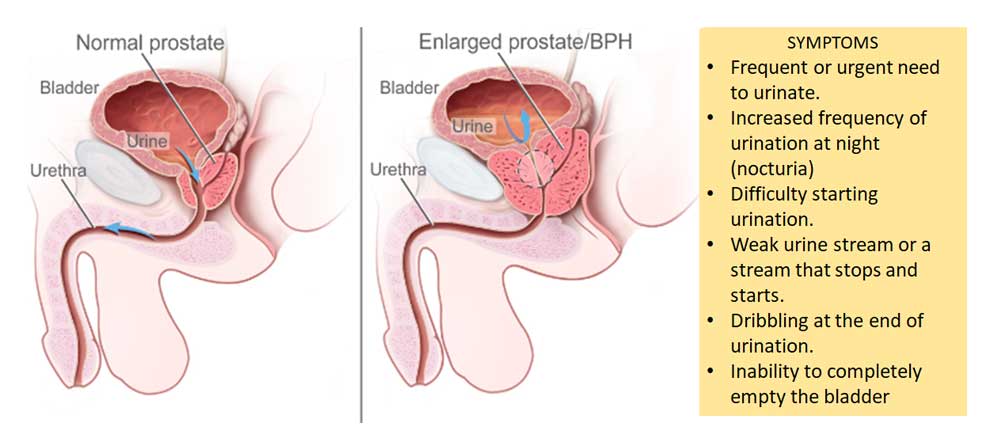
Benign Prostatic Hyperplasia (BPH) is a common prostate condition in aging men. It leads to lower urinary tract symptoms like frequent urination, weak urine stream, and sudden urgency. Without strategic medical tracking, advanced chronic blockage from BPH creates major back-pressure on the urinary bladder, which can travel up into the ureters and compromise filtration functions.
At our Nephrology Dept. in Gurugram, Prof. (Dr.) Debabrata Mukherjee offers comprehensive, affordable BPH medical care plans using advanced laboratory diagnostics to evaluate baseline clearance limits and help you regain a completely healthy, normal lifestyle.
TURP: Transurethral Resection of the Prostate
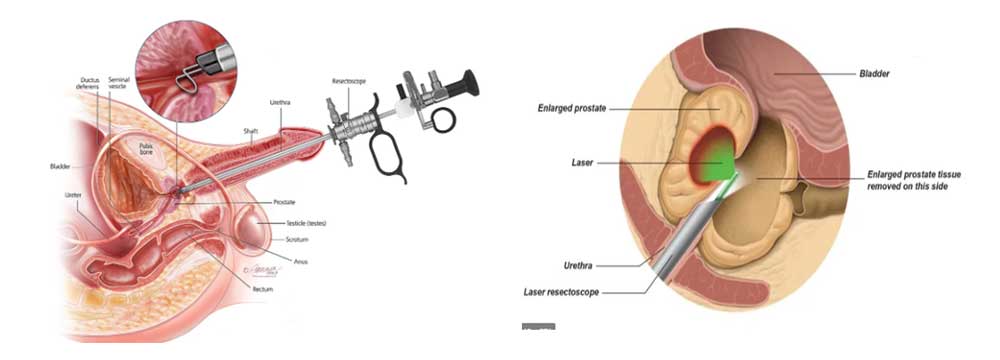
Transurethral Resection of the Prostate (TURP) is widely considered the gold standard surgical treatment for severe bladder blockages caused by BPH. This minimally invasive prostate surgery clears out excess obstructive tissue to instantly open up the passage. It is highly effective and requires minimal hospitalization.
While surgical resection is handled directly by urology surgeons, safeguarding the kidneys throughout recovery is essential. Prof. (Dr.) Debabrata Mukherjee, a leading specialist operating in Gurugram, brings over three decades of clinical experience in managing post-operative recovery, balancing intricate body fluids, and coordinating care to ensure zero renal stress after your procedure.
Can an Enlarged Prostate Affect Your Kidneys?
It surprises many people, but the answer is yes. Think of your urinary tract as a plumbing system. When an enlarged prostate blocks the exit, urine can’t empty completely. Over months or years, that trapped fluid begins to back up, creating a reverse pressure that pushes all the way up into your kidneys.
This back-pressure can quietly stretch and strain your kidneys (a condition doctors call hydronephrosis or obstructive uropathy). If ignored for too long, it can lead to permanent kidney damage. That is why treating the prostate is only half the battle; we must protect your kidneys from the strain.
⚠️ Signs your kidneys might be feeling the pressure:
If you or your loved ones notice any of these changes alongside prostate issues, please don’t wait to get your kidney function checked:
- You notice a significant drop in how much urine you pass in a day.
- Unexplained swelling or puffiness starts appearing in your feet, ankles, or legs.
- A dull, constant ache in your lower back or flanks (the sides of your back).
- Your routine blood tests show your Serum Creatinine numbers rising.
Planning for a TURP Surgery? Let’s Make It Safer.
If your surgical team has recommended a TURP surgery to clear the blockage, that is an excellent and highly effective step. However, before going into surgery, we want to make sure your kidneys are strong enough to handle the fluid changes and recovery beautifully.
Before you schedule the procedure, Prof. (Dr.) Debabrata Mukherjee recommends checking three simple baseline markers to keep you completely safe:
This acts as your kidney’s report card. It tells us exactly how well your kidneys are filtering blood right now, ensuring the medical team can plan your IV fluids safely.
A quick visual scan that tells us if urine is backing up or causing any swelling inside your kidneys before the surgery begins.
Prostate surgeries involve a lot of fluid flushing. Knowing your salt and potassium levels beforehand protects you from sudden drops or imbalances during recovery.
A reassuring note: An enlarged prostate is highly manageable, and with the right kidney-first approach, you can protect your health completely. We work closely alongside your surgical team to ensure your path to recovery is smooth, safe, and stress-free.
Book Your Appointment with Prof. (Dr.) Debabrata Mukherjee
Protect your long-term urinary tracking systems. Visit Prof. (Dr.) Debabrata Mukherjee in Gurugram for expert clinical medical management of advanced BPH complications.