
Mineral Bone Disease in CKD
Consequences of Mineral Bone Disease in CKD
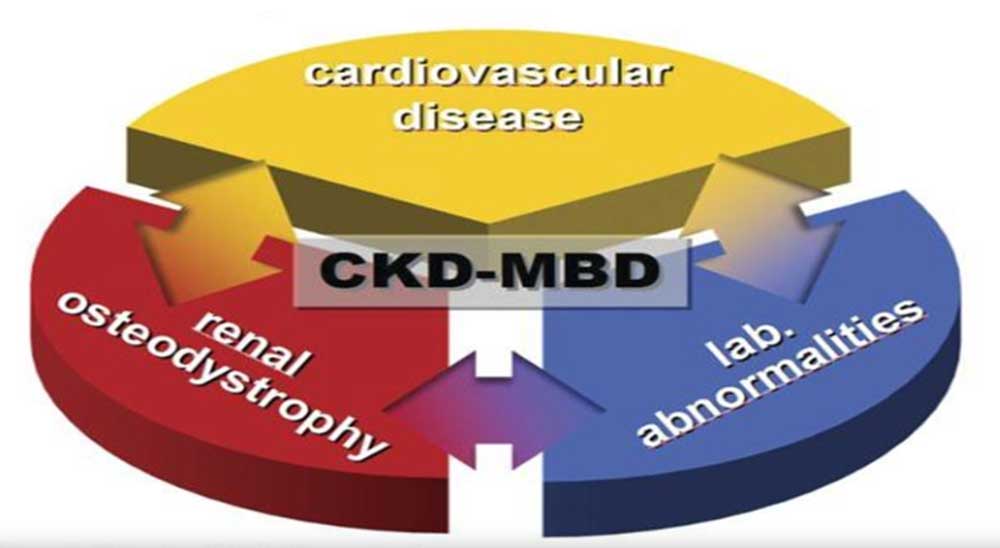
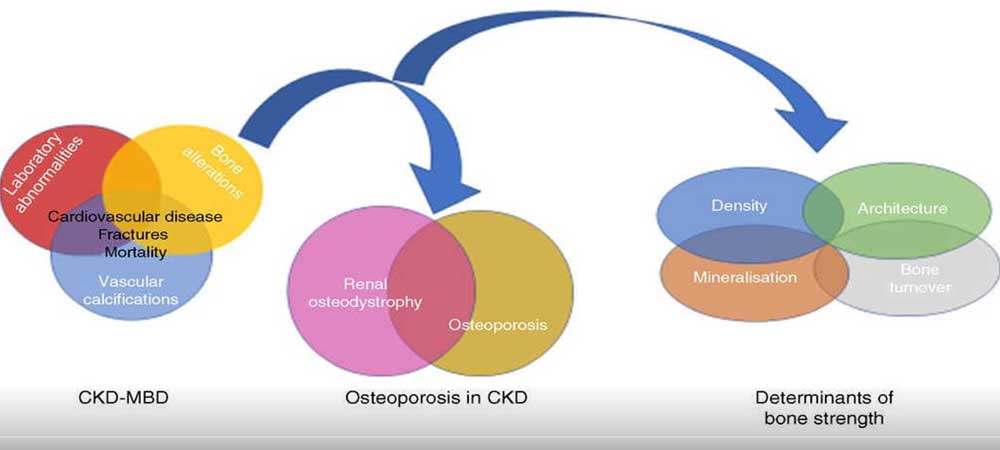
When kidneys gradually lose their filtering capacity, it impacts the entire body in ways we might not initially expect. One of the most silent yet significant complications of Chronic Kidney Disease (CKD) is a condition known as Mineral and Bone Disorder (CKD-MBD).
Many patients think kidney care is only about fluids and toxins, but kidneys also act as a master control switch for your body’s calcium and phosphorus levels. When this switch fails, minerals begin leaking out of the bones and building up in parts of the body where they don’t belong. Let’s understand how this hidden imbalance affects your daily health.
What Happens to the Body in CKD-MBD?
Because the body struggles to process Vitamin D and calcium, it starts stealing these essential elements directly from your skeletal structure. This leaves your bones porous, brittle, and incredibly fragile over time.
Unlike a regular muscle pull, this is a deep, persistent ache in the joints, lower back, and legs. This constant discomfort can severely impact a patient’s sleep, emotional well-being, and daily mobility.
Because bone density drops drastically, even a minor stumble, a heavy sneeze, or a slight twist can result in sudden, painful fractures that take a long time to heal.
This is perhaps the most serious consequence. The extra calcium floating in your bloodstream starts settling inside the walls of your blood vessels. This hardening of the arteries increases the workload on your heart, raising the risk of heart attacks and stroke.
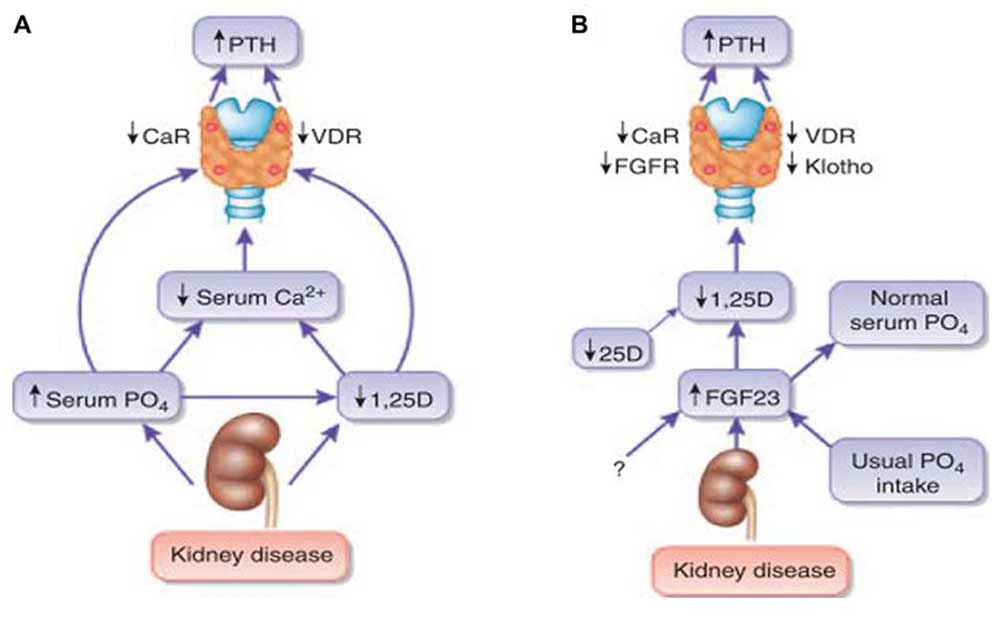
When blood calcium drops, your parathyroid glands (small glands in the neck) go into overdrive. They produce too much parathyroid hormone (PTH), which continuously forces the bones to release more calcium into the blood, trapping the patient in a dangerous cycle.
When phosphorus levels skyrocket and bind with calcium, they can form microscopic crystals right beneath the skin. This leads to a severe, deep-seated itch that cannot be relieved by regular moisturizing lotions.
The severe mineral imbalance directly drains muscle strength. Patients often find it physically exhausting to perform simple movements, such as standing up from a low chair or climbing a short flight of stairs.
How Can We Manage This Effectively?
The good news is that CKD-MBD can be managed efficiently if caught early. Under the expert clinical guidance of Dr. Debabrata Mukherjee, treatment focuses on a multi-layered approach: prescribing specialized phosphate binders, tailoring your daily diet to manage mineral loads, regulating active Vitamin D analogues, and tracking your PTH trends closely to avoid long-term complications.
Consult Our Kidney Care Expert
If you or a loved one is dealing with advanced kidney disease and experiencing persistent bone pain or unexplained muscle weakness, schedule a clinical diagnostic review today.
Email: dirnephro@gmail.com
For Appointments Contact: Co-ordinator at +91 95994 71244
Direct Patient Line: +91 98103 02828